
Meta Description
Learn what a radiation shielding door is, how it works, lead thickness standards, and how to choose the right door for X-ray rooms and hospitals.
What Is a Radiation Shielding Door?
Introduction
In medical and industrial environments where radiation is present, safety is a top priority.
A radiation shielding door plays a critical role in protecting both patients and staff from harmful radiation exposure.
These doors are essential in:
- Hospitals
- Diagnostic imaging centers
- Laboratories
- Nuclear and industrial facilities
This guide explains how radiation doors work, their specifications, and how to choose the right one for your project.
What Is a Radiation Shielding Door?
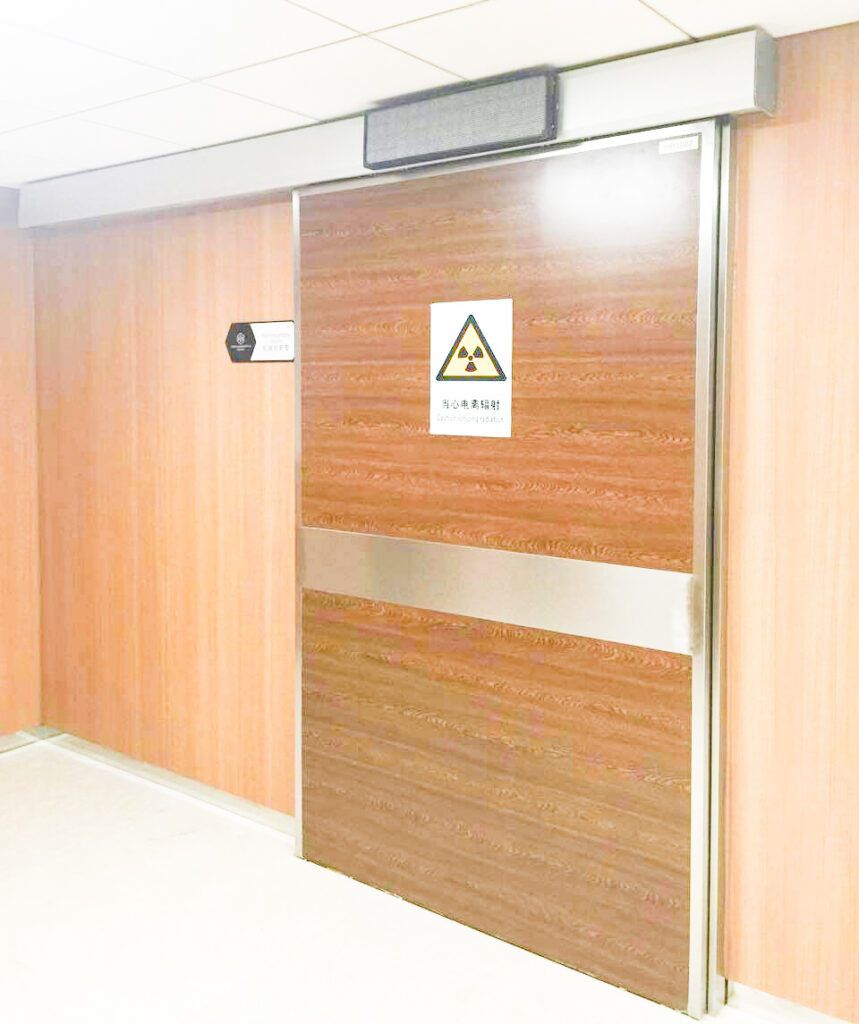
A radiation shielding door (also called a lead-lined door) is a specialized door designed to block or reduce radiation.
It is constructed with:
- Steel door structure
- Internal lead sheet (Pb layer)
- Sealed frame system
The lead layer absorbs radiation, preventing it from passing through the door.
How Does a Lead-Lined Door Work?
Radiation shielding works based on material density.
Key principle:
👉 The higher the density, the better the shielding
Lead is used because:
- High density
- Strong radiation absorption
- Stable and durable
When radiation (X-rays or gamma rays) hits the door:
- The lead layer absorbs and weakens it
- Only a minimal amount passes through
Lead Thickness and Radiation Protection Standards
One of the most important specifications is:
👉 Lead Equivalent (mmPb)
This indicates how much radiation the door can block.
Common standards:
| Application | Lead Thickness |
|---|---|
| Dental X-ray room | 1.0 mmPb |
| CT room | 2.0 mmPb |
| Radiology room | 2.0–3.0 mmPb |
| Industrial use | 3.0 mmPb+ |
👉 The required thickness depends on:
- Radiation energy
- Equipment type
- Local regulations
Structure of a Radiation Shielding Door
A typical door includes:
1. Door Leaf
- Galvanized steel panels
- Internal lead sheet
2. Door Frame
- Lead-lined frame
- Overlapping shielding design
3. Vision Panel (Optional)
- Lead glass window
- Same shielding level as door
4. Sealing System
- Prevents radiation leakage
- Tight closing mechanism
Types of Radiation Shielding Doors
Swing Doors
- Standard opening
- Suitable for small rooms
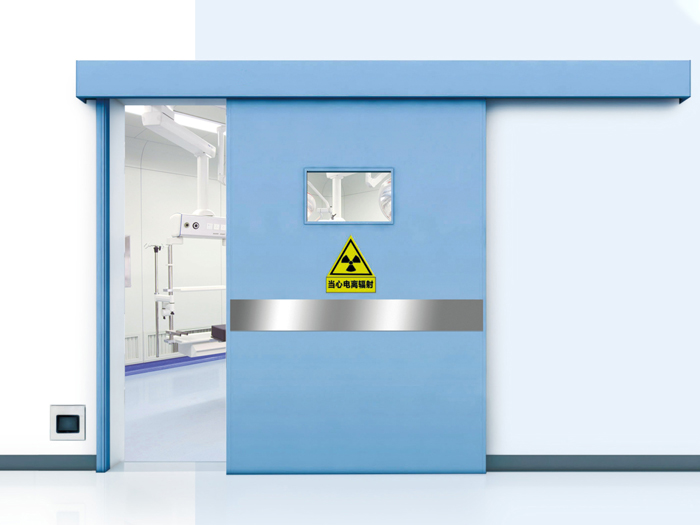
Sliding Doors
- Space-saving
- Ideal for large equipment rooms
Automatic Doors
- Hands-free operation
- Used in high-end hospitals
Applications of Radiation Doors
Medical Use
- X-ray rooms
- CT scan rooms
- MRI control areas
- Radiotherapy rooms
Industrial Use
- Nuclear facilities
- Testing labs
- Radiation research centers

Radiation Door vs Normal Steel Door
| Feature | Radiation Door | Normal Steel Door |
|---|---|---|
| Lead layer | Yes | No |
| Radiation protection | Yes | No |
| Structure | Reinforced | Basic |
| Application | Medical/industrial | General use |
👉 A normal door offers zero radiation protection.
How to Choose the Right Radiation Shielding Door
✅ 1. Determine Lead Thickness
Based on project requirements and regulations
✅ 2. Check Manufacturer Capability
- Custom production
- Lead integration quality
✅ 3. Ensure Certification
- Radiation protection standards
- Quality control
✅ 4. Consider Door Type
- Sliding vs swing
- Manual vs automatic
✅ 5. Verify Installation Compatibility
- Wall shielding alignment
- Frame sealing
Common Mistakes to Avoid
❌ Incorrect lead thickness selection
❌ Poor sealing design
❌ Mismatch between door and wall shielding
❌ Low-quality lead material
👉 These can cause radiation leakage risks
H2:Radiation Shielding Door Solution for Projects
For hospital projects, it is recommended to work with a supplier who provides:
- Technical consultation
- Shielding calculation support
- Custom manufacturing
- Installation guidance
👉 This ensures full compliance and safety.
FAQ(SEO关键)
Q1: What is the purpose of a radiation shielding door?
To block harmful radiation and protect people outside the room.
Q2: What is mmPb in radiation doors?
It stands for “millimeters of lead equivalent,” indicating shielding capability.
Q3: Can I customize lead thickness?
Yes, based on project requirements and radiation levels.
Q4: Are radiation doors required in all hospitals?
Only in areas with radiation equipment such as X-ray or CT rooms.
Q5: How long does a radiation door last?
Typically 10–20 years with proper use and installation.
Conclusion
A radiation shielding door is a critical safety component in medical and industrial environments.
Choosing the right door requires:
- Correct lead thickness
- High-quality manufacturing
- Proper installation
Working with a professional supplier ensures your project meets safety standards and performs reliably over time.
Medical Steel Door vs Normal Steel Door: Key Differences Explained
Hospital Steel Door Supplier: Complete Buying Guide for Medical Projects


