
Meta Description
Looking for a reliable hospital steel door supplier? Learn specifications, materials, standards, and how to choose the right medical door manufacturer.
Hospital Steel Door Supplier: Complete Guide for Medical Projects
Introduction
In modern healthcare construction, hospital steel doors are not just functional components — they are critical to safety, hygiene, and long-term durability.
Choosing the right hospital steel door supplier directly affects:
-
Infection control performance
-
Fire safety compliance
-
Radiation protection (for specific rooms)
-
Project lifecycle cost
This guide explains everything you need to know before selecting a medical steel door manufacturer.
What Is a Hospital Steel Door?
A hospital steel door is a specially designed door system used in medical environments such as:
-
Operating rooms
-
ICU units
-
Patient wards
-
Laboratories
-
Imaging rooms (X-ray, CT)
Unlike standard doors, medical steel doors are engineered for:
-
High-frequency use
-
Easy cleaning and antibacterial performance
-
Structural strength
-
Optional airtight or radiation shielding features
Key Specifications of Hospital Steel Doors
When evaluating a supplier, you must understand the core technical parameters:
1. Material
-
Galvanized steel sheet (≥0.8mm recommended)
-
Optional stainless steel for high hygiene areas
2. Internal Filling
-
Honeycomb core (lightweight & stable)
-
Rock wool (fire-resistant & sound insulation)
3. Door Frame
-
Reinforced steel frame (≥1.2mm)
-
Anti-deformation design
4. Surface Coating
-
Electrostatic powder coating
-
Antibacterial coating available
5. Optional Functions
-
Fire-rated (30/60/90 minutes)
-
Lead-lined (radiation protection)
-
Airtight sealing (cleanroom use)
-
Vision panels (double-glazed glass)
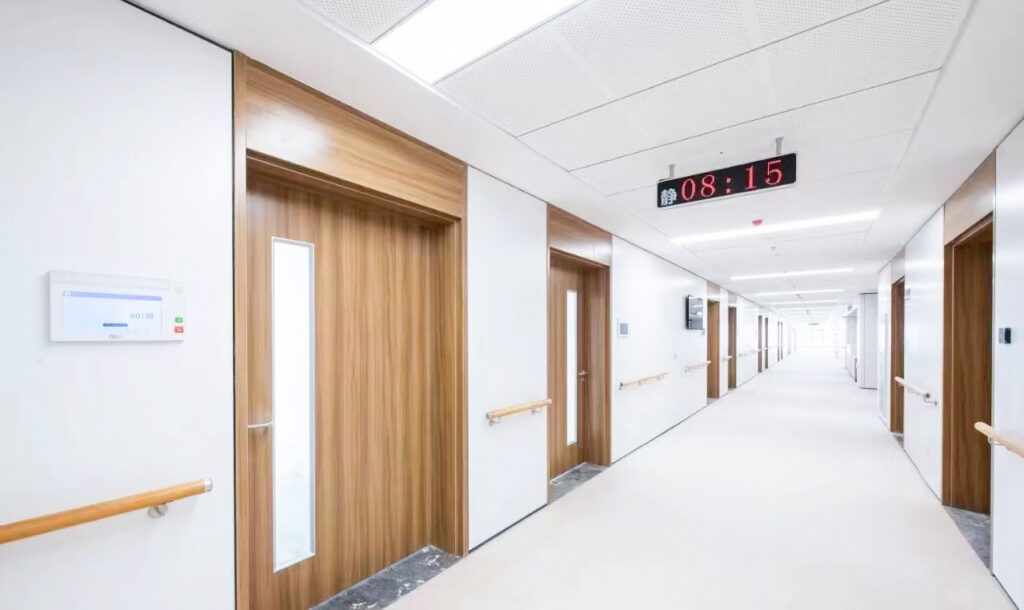
Hospital Steel Door vs Normal Steel Door
| Feature | Hospital Steel Door | Standard Steel Door |
|---|---|---|
| Surface | Antibacterial coating | Standard paint |
| Structure | Reinforced | Basic |
| Sealing | Airtight optional | No sealing |
| Durability | High frequency use | Normal use |
| Application | Medical environments | Residential/commercial |
👉 Conclusion: Hospital doors are engineered systems, not decorative products.
Applications in Medical Projects
Different hospital areas require different door configurations:
Operating Rooms
-
Airtight doors
-
Smooth surface for sterilization
ICU Units
-
Sound insulation
-
Easy observation windows
X-ray / CT Rooms
-
Lead-lined doors (1–3mmPb)
Laboratories
-
Chemical-resistant coating
-
Cleanroom compliance
How to Choose a Reliable Hospital Steel Door Supplier
Selecting the right supplier is critical. Use this checklist:
✅ 1. Manufacturing Capability
-
In-house production
-
Customization ability (OEM/ODM)
✅ 2. Engineering Experience
-
Hospital project references
-
Understanding of medical standards
✅ 3. Certifications
-
Fire rating certification
-
ISO quality system
-
Radiation protection compliance
✅ 4. Customization Support
-
Size customization
-
Hardware options
-
Project-based solutions
✅ 5. Export Experience
-
International shipping capability
-
Packaging and logistics control
Common Mistakes When Buying Hospital Doors
Avoid these typical errors:
❌ Choosing based on price only
❌ Ignoring sealing requirements
❌ Using normal doors in medical areas
❌ Not confirming fire or radiation standards
❌ No supplier verification
👉 These mistakes often lead to project delays and compliance issues.
Hospital Door Project Solution (Recommended Approach)
For large projects, the best approach is:
👉 Work with a full-solution supplier
This includes:
-
Door design consultation
-
Technical drawing support
-
Standard compliance guidance
-
Bulk production
-
Export & delivery
This reduces cost, risk, and communication complexity.
FAQ (Highly Important for SEO)
Q1: What is the standard thickness of hospital steel doors?
Typically 40–50mm door leaf thickness with reinforced internal structure.
Q2: Do hospital doors need to be fire-rated?
Yes, especially in corridors and emergency routes. Common ratings are 30, 60, or 90 minutes.
Q3: What is the difference between lead-lined doors and normal doors?
Lead-lined doors contain a lead sheet (measured in mmPb) to block radiation, used in X-ray or CT rooms.
Q4: Can hospital steel doors be customized?
Yes, including size, color, hardware, vision panels, and functional features.
Q5: How long is the production lead time?
Typically 15–30 days depending on quantity and customization level.
H2:Conclusion
Choosing the right hospital steel door supplier is not just about buying a product — it’s about ensuring safety, compliance, and long-term reliability for your medical project.
A professional supplier should provide:
-
Technical expertise
-
Custom solutions
-
Reliable manufacturing
-
International project support
If you are planning a hospital or medical facility, investing in the right door system will save significant cost and risk in the long run.


