
How to Calculate Lead Equivalent for Radiation Shielding
A Practical Guide for X-Ray Room and Radiology Protection Design
When designing a hospital radiology department, one critical question always appears early in the project:
How thick should the lead shielding be?
If the lead layer is too thin, the shielding will not meet radiation safety standards.
If it is too thick, the cost increases significantly and the door or wall structure becomes unnecessarily heavy.
That is why professional radiation shielding design must be based on scientific calculation rather than estimation.
At the center of this calculation is a key parameter known as Lead Equivalent (mmPb).
What is Lead Equivalent?
Lead equivalent is a measurement used to describe the radiation shielding ability of a material.
It is typically expressed in the unit:
mmPb (millimeters of lead).
For example:
2 mmPb means the material provides the same radiation shielding performance as a 2-millimeter thick sheet of pure lead.
In medical radiation protection projects, lead equivalent is used as a standardized reference to compare different shielding materials.
Common materials measured using lead equivalent include:
-
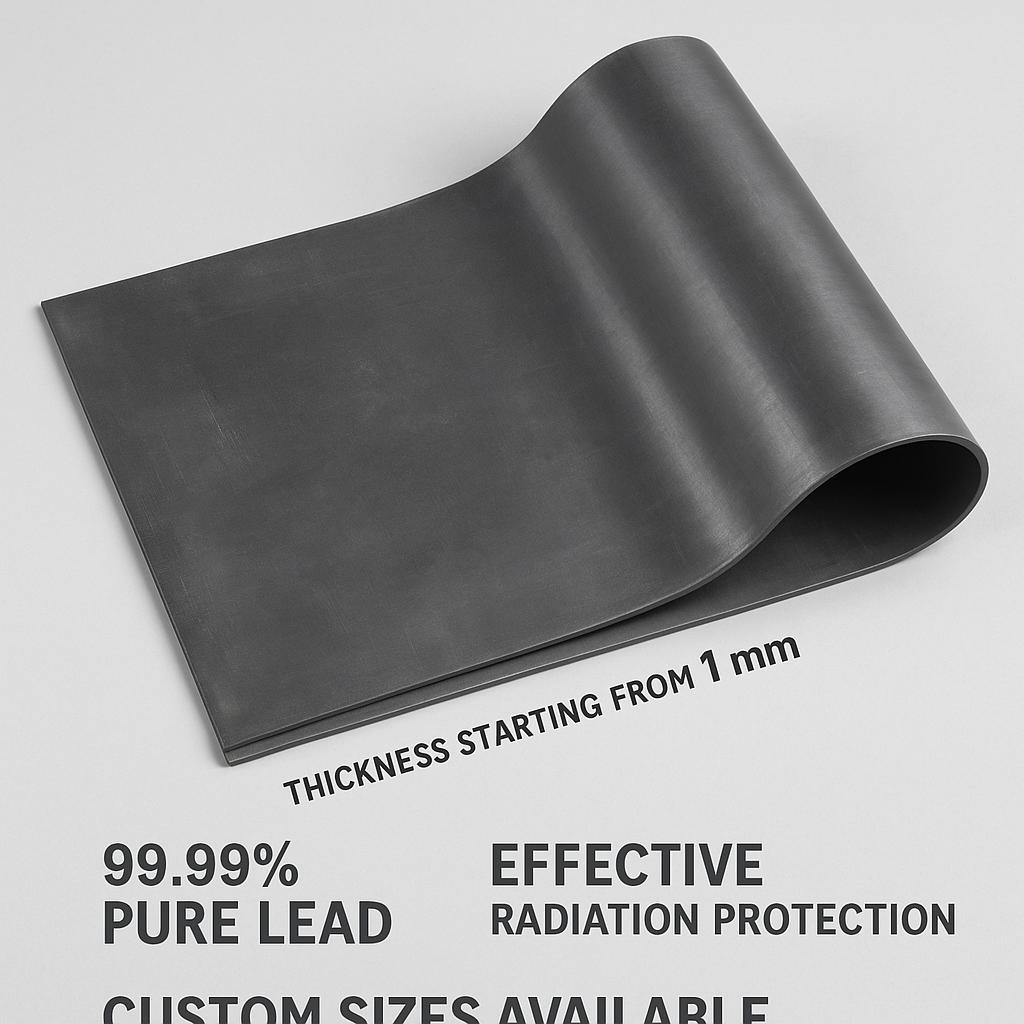
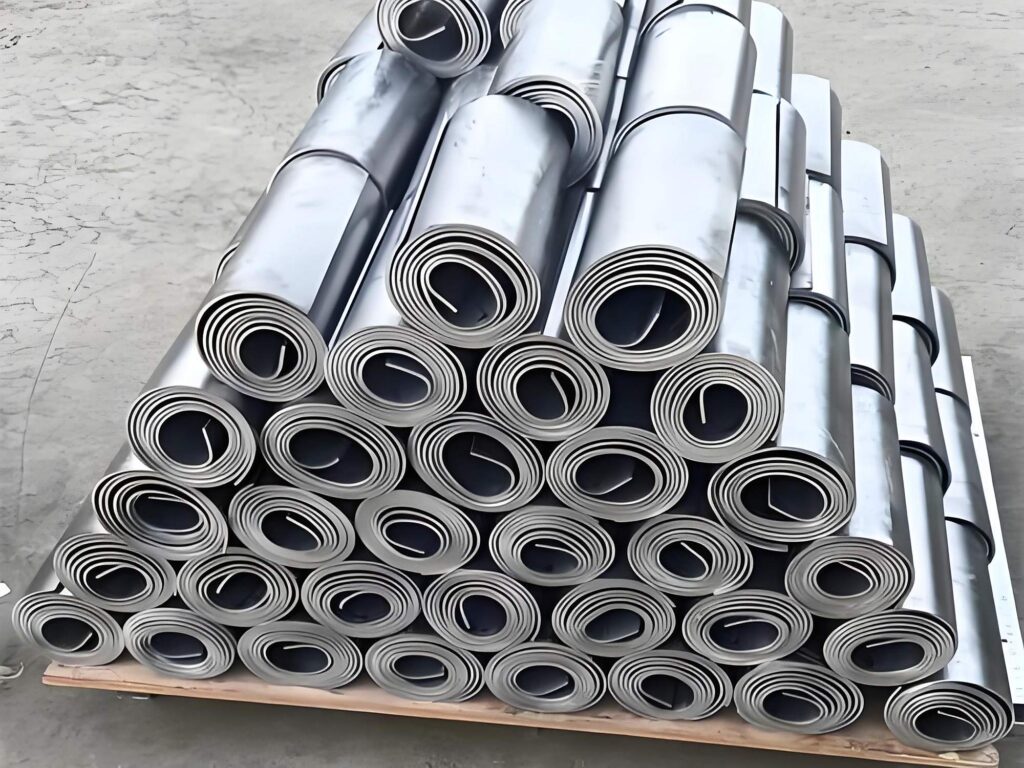
Lead sheets
-
Lead glass
-
Barium sulfate boards
-
Radiation shielding doors
-
Lead-lined drywall systems
This standard allows engineers to evaluate shielding performance even when the materials are different.
Key Factors That Determine Required Lead Thickness
The required lead equivalent in an X-ray room is not arbitrary.
It is calculated based on several important technical parameters.
1. X-Ray Equipment Power (kV)
The higher the tube voltage (kV), the stronger the penetration ability of the radiation.
Examples:
Dental X-ray machines
Typically 60–70 kV
Diagnostic radiography (DR systems)
Typically 80–120 kV
CT scanners
Usually 120 kV or higher
Higher energy radiation requires greater shielding thickness.
2. Workload / Usage Frequency
Radiation exposure accumulates over time.
The number of examinations performed each day directly affects shielding requirements.
For example:
Small dental clinics
Dozens of exposures per day
Large hospitals
Hundreds of exposures per day
Higher workload means higher cumulative radiation levels, requiring stronger protection.
3. Distance from the Radiation Source
Radiation intensity decreases with distance according to the inverse square law.
Simply put:
The farther away the barrier is from the source, the lower the radiation intensity.
This explains why:
Control room walls usually require less shielding than the walls directly surrounding the X-ray equipment.
4. Primary vs Secondary Radiation Direction
Radiation from an X-ray system is not evenly distributed.
The strongest radiation occurs along the primary beam direction.
Shielding design therefore distinguishes between:
Primary barriers
Walls directly facing the X-ray beam.
Secondary barriers
Walls exposed mainly to scattered radiation.
Primary barriers always require higher lead equivalent values.
Typical Lead Equivalent Requirements for Medical Equipment
In many hospital projects, typical shielding values are approximately:
| Medical Equipment | Recommended Lead Equivalent |
|---|---|
| Dental X-ray room | 1 mmPb |
| DR / Digital Radiography room | 2 mmPb |
| CT scan room | 2–3 mmPb |
| Radiotherapy rooms | Special shielding calculation required |
However, the final shielding specification must always follow the radiation protection design report prepared by a qualified medical physicist.
Radiation Shielding Doors Must Match Wall Protection
One common mistake in hospital construction projects is inconsistent shielding between the wall and the door.
For example:
Wall shielding = 2 mmPb
Door shielding = 1 mmPb
In this case, the door becomes a radiation leakage point.
The correct design principle is:
Lead door shielding ≥ wall shielding level
Additionally, proper protection must also include:
-
Lead-lined door frames
-
Lead glass observation windows
-
Overlapping lead sheets at wall joints
-
Shielded wall penetrations
Every small detail contributes to radiation safety.
Lead Door Weight Calculation
Lead is extremely dense.
The density of lead is approximately:
11.34 g/cm³
This means even small increases in thickness significantly increase the weight of a shielding door.
For example:
A 2 mmPb lead-lined swing door may add 40–60 kg compared with a standard steel door.
Because of this, radiation shielding doors require:
-
Reinforced door frames
-
Heavy-duty hinges
-
Structural support for sliding door tracks
Without proper structural design, doors may sag or deform over time.
Common Mistakes in Radiation Shielding Projects
Many shielding failures during inspection occur due to construction details rather than material selection.
Typical problems include:
-
No overlap between wall lead sheets and door shielding
-
Door frames not lined with lead
-
Lead glass window with insufficient lead equivalent
-
Gaps in shielding joints or wall penetrations
In radiation protection engineering, small details determine overall safety.
How to Ensure Radiation Shielding Compliance
When selecting a supplier for radiology shielding materials, hospitals and contractors should verify:
-
Lead sheet material certification
-
Verified lead equivalent test reports
-
Customizable shielding thickness
-
Experience in hospital radiation protection projects
-
Technical installation guidance
Experienced manufacturers usually provide complete radiology shielding solutions, not just individual products.
These may include:
-
Lead-lined doors
-
Lead glass windows
-
Lead sheets and panels
-
Modular shielding wall systems
Conclusion
Lead equivalent calculation is the foundation of radiation shielding design in medical facilities.
Accurate engineering calculations ensure:
-
Compliance with radiation safety regulations
-
Protection for medical staff and patients
-
Efficient use of materials
-
Structural safety for shielding doors and walls
In hospital construction, radiation protection should always be based on scientific design principles, not guesswork.


