

Meta Description
Discover the key differences between medical steel doors and normal steel doors. Learn which is better for hospitals, safety, and long-term performance.
Medical Steel Door vs Normal Steel Door: What’s the Difference?
Introduction
At first glance, a steel door may look the same in any building.
However, in healthcare environments, the difference between a medical steel door and a normal steel door is critical.
Choosing the wrong type can lead to:
- Hygiene issues
- Safety risks
- Compliance failure
- Higher long-term costs
This guide explains the real differences and helps you select the right solution for your project.
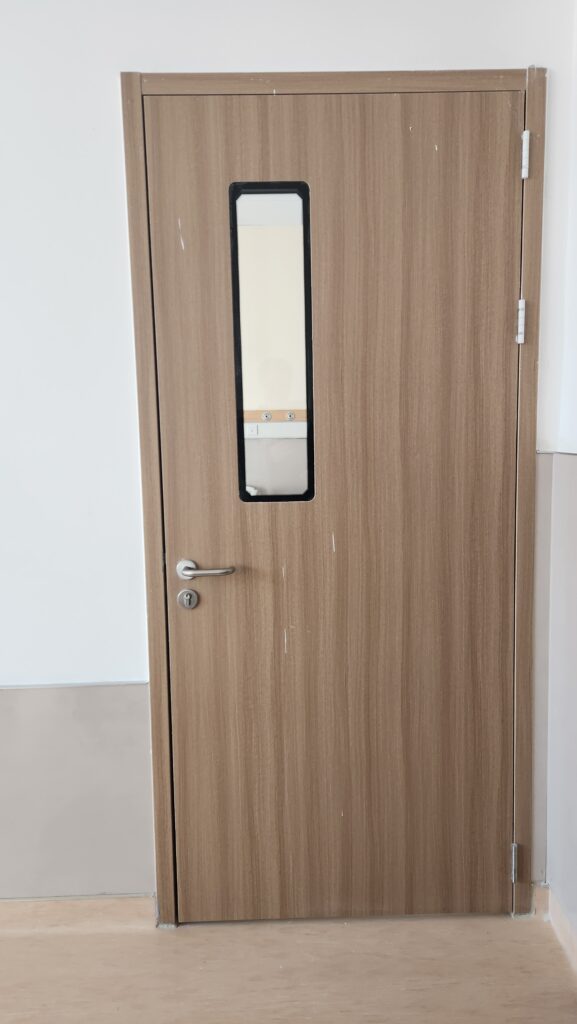
What Is a Medical Steel Door?
A medical steel door is specifically designed for hospitals and controlled environments, such as:
- Operating rooms
- ICU units
- Laboratories
- Cleanrooms
These doors are engineered for:
- Antibacterial performance
- High-frequency use
- Easy cleaning
- Airtight or specialized sealing
What Is a Normal Steel Door?
A normal steel door is typically used in:
- Residential buildings
- Offices
- Commercial spaces
It focuses on:
- Basic durability
- Cost efficiency
- Standard security
It is not designed for medical-grade environments.
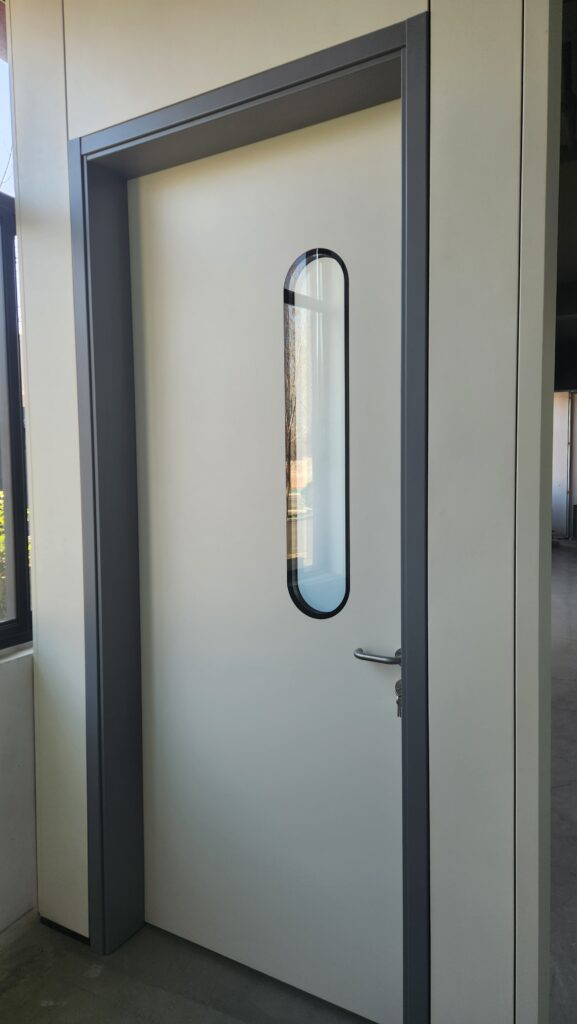
Key Differences Between Medical and Normal Steel Doors
| Feature | Medical Steel Door | Normal Steel Door |
|---|---|---|
| Surface | Antibacterial coating | Standard paint |
| Hygiene | Easy to clean, smooth | No hygiene design |
| Structure | Reinforced heavy-duty | Basic structure |
| Sealing | Airtight optional | No sealing |
| Durability | High-frequency use | Moderate use |
| Safety | Fire / radiation optional | Limited |
| Application | Hospitals, labs | Homes, offices |
👉 Conclusion: These are fundamentally different products with different engineering standards.
Material and Structure Comparison
Medical Steel Door
- Galvanized steel ≥0.8mm
- Reinforced frame ≥1.2mm
- Internal filling: honeycomb / rock wool
- Anti-deformation design
Normal Steel Door
- Thinner steel sheets
- Basic frame structure
- Standard internal filling
👉 Result: Medical doors have significantly higher durability and lifespan.
Hygiene and Cleanability
In hospitals, hygiene is not optional.
Medical Steel Door
- Smooth, seamless surface
- Antibacterial powder coating
- Easy to disinfect
Normal Steel Door
- Rougher surface
- Standard paint
- Harder to clean thoroughly
👉 This is one of the biggest differences in healthcare environments.
Sealing and Airtight Performance
Medical Steel Door
- Airtight sealing systems available
- Prevents contamination spread
- Required in cleanrooms and operating rooms
Normal Steel Door
- No sealing design
- Air leakage is common
👉 Critical for infection control.
Safety Features Comparison
Medical Steel Door
Optional features include:
- Fire-rated (30/60/90 mins)
- Radiation shielding (lead-lined)
- Impact resistance
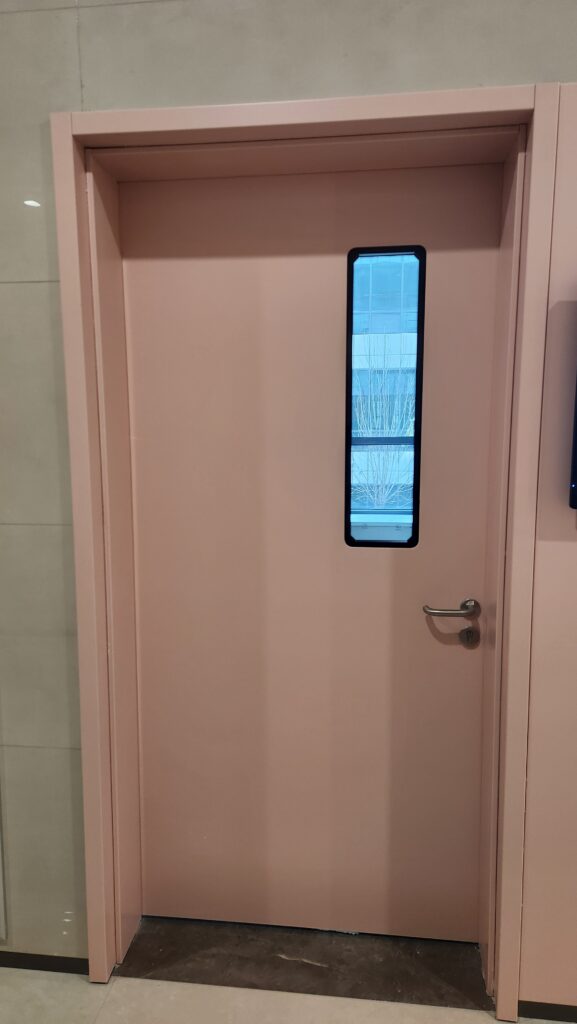
medical steel door vs normal steel door
Normal Steel Door
- Basic fire resistance (sometimes)
- No radiation protection
👉 Medical doors are designed for life safety, not just access control.
Application Scenarios
Medical Steel Doors Used In
- Hospitals
- Clinics
- Laboratories
- Pharmaceutical factories
Normal Steel Doors Used In
- Apartments
- Offices
- Shops
👉 Using the wrong door in a hospital can cause compliance failure.
Cost Difference (Short-Term vs Long-Term)
Normal Steel Door
- Lower initial cost
- Shorter lifespan
- Higher maintenance
Medical Steel Door
- Higher upfront cost
- Longer lifespan
- Lower lifecycle cost
👉 For projects, medical doors are more cost-effective over time.
Which One Should You Choose?
Choose medical steel doors if:
- You are working on a hospital or lab project
- Hygiene and compliance are required
- High durability is needed
Choose normal steel doors if:
- It’s a residential or low-demand commercial project
- No special requirements
Common Mistakes to Avoid
❌ Using standard doors in medical areas
❌ Ignoring airtight requirements
❌ Choosing lowest price supplier
❌ Not checking certifications
👉 These mistakes often lead to project rejection.
FAQ
Q1: Can I use a normal steel door in a hospital?
No. It does not meet hygiene, sealing, or safety requirements.
Q2: Are medical steel doors required for all hospital areas?
Not all, but critical areas like OR, ICU, and labs require them.
Q3: Why are medical doors more expensive?
Due to higher material standards, coatings, and specialized functions.
Q4: Do medical doors require certification?
Yes, especially for fire rating and radiation protection.
Q5: What is the lifespan of a medical steel door?
Typically 10–20 years depending on usage and quality.
H2:Conclusion
While medical steel doors and normal steel doors may look similar, they serve completely different purposes.
For healthcare and controlled environments, choosing a professional medical steel door solution is essential for:
- Safety
- Compliance
- Long-term performance
Investing in the right door system ensures your project meets both regulatory and operational


