

How to Choose the Right Hospital Door for Your Project (Complete Guide)
Meta Description
Learn how to choose the right hospital door for your project. Compare types, materials, specifications, and key factors for medical environments.
How to Choose the Right Hospital Door for Your Project
Introduction
Choosing the right hospital door is not just about appearance — it directly impacts:
- Hygiene control
- Safety compliance
- Workflow efficiency
- Long-term maintenance cost
With multiple options such as steel doors, airtight doors, and radiation shielding doors, selecting the right solution can be challenging.
This guide will help you make the correct decision based on your project requirements.
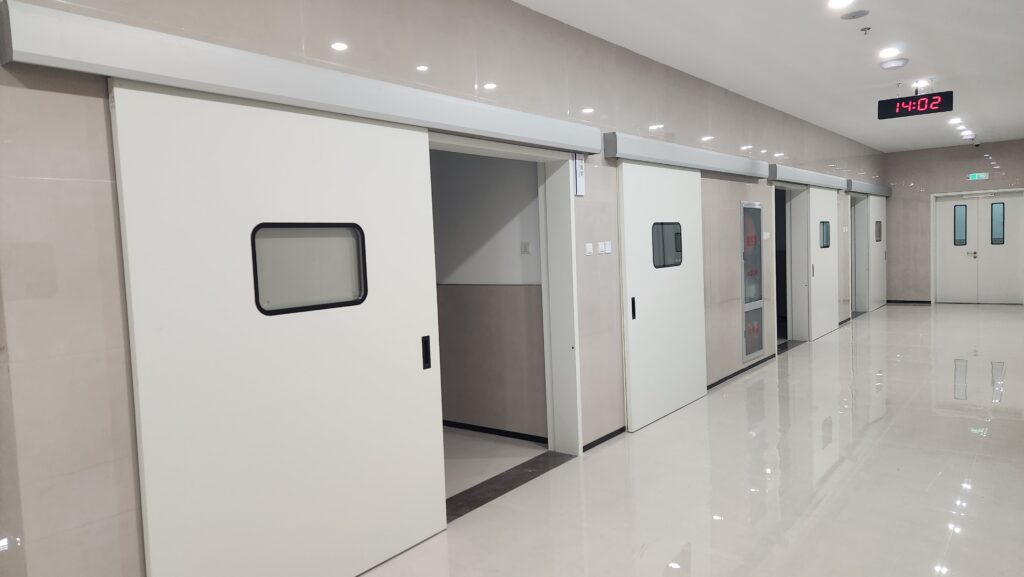
Types of Hospital Doors
Different hospital areas require different door types:
1. Medical Steel Doors
- General-purpose hospital use
- Durable and cost-effective
2. Airtight (Hermetic) Doors
- Used in operating rooms and cleanrooms
- Prevent air leakage and contamination
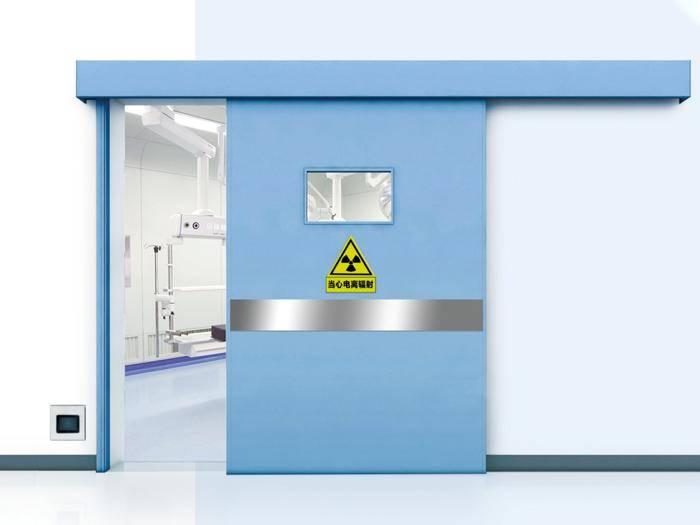
3. Radiation Shielding Doors
- Lead-lined doors
- Required for X-ray and CT rooms
4. Fire Rated Doors
- Used in corridors and emergency exits
- Provides fire resistance (30/60/90 minutes)
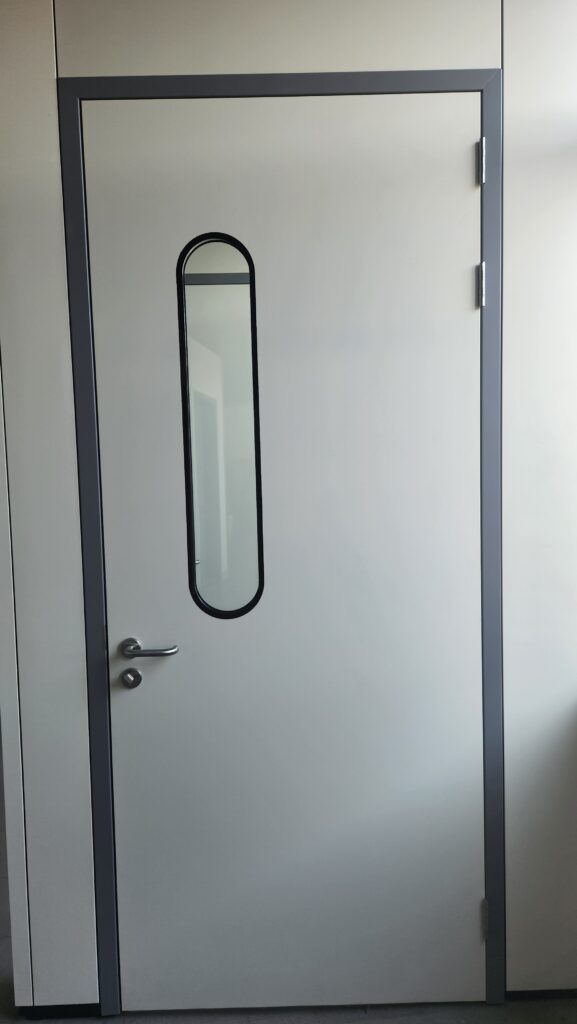
Key Factors to Consider When Choosing Hospital Doors
1. Application Area
Each space has specific requirements:
- Operating room → airtight door
- ICU → sound insulation + visibility
- X-ray room → radiation door
- Corridor → fire-rated door
👉 Always match the door type to the function.
2. Material Selection
Common options:
- Galvanized steel (standard)
- Stainless steel (high hygiene areas)
👉 Stainless steel is better for strict hygiene environments.
3. Hygiene and Cleanability
Hospital doors must:
- Have smooth surfaces
- Be easy to disinfect
- Resist bacteria growth
👉 Powder-coated antibacterial finishes are recommended.
4. Durability and Usage Frequency
Hospital doors are used thousands of times per day.
Look for:
- Reinforced structure
- Heavy-duty hinges
- Impact resistance
5. Sealing Performance
Important for:
- Operating rooms
- Laboratories
- Cleanrooms
👉 Airtight doors are required for contamination control.
6. Safety Requirements
Depending on the project:
- Fire-rated certification
- Radiation protection
- Emergency escape compliance
7. Door Size and Customization
Hospital projects often require:
- Custom dimensions
- Double doors
- Vision panels
👉 Choose a supplier that supports OEM customization.
Hospital Door Selection by Area
| Area | Recommended Door Type |
|---|---|
| Operating Room | Airtight door |
| ICU | Steel door with window |
| X-ray Room | Lead-lined door |
| Corridor | Fire-rated steel door |
| Laboratory | Cleanroom door |
👉 This is the most practical way to select doors.
Common Mistakes When Choosing Hospital Doors
❌ Choosing based only on price
❌ Using standard doors in medical areas
❌ Ignoring sealing requirements
❌ Not checking certifications
❌ Not considering long-term maintenance
👉 These mistakes can lead to compliance issues and costly replacements.
Working with a Professional Hospital Door Supplier
A reliable supplier should provide:
✅ Technical consultation
✅ Custom design support
✅ Compliance guidance
✅ Manufacturing capability
✅ Export and logistics support
👉 This is especially important for large hospital projects.
Project-Based Solution Approach
For best results:
👉 Use a complete door solution package
This includes:
- Multiple door types
- Unified design
- Consistent quality
- Centralized supply
👉 This reduces cost and simplifies project management.
FAQ(SEO)
Q1: What type of door is best for hospitals?
It depends on the area. Different zones require different door types.
Q2: Are airtight doors necessary for all hospital rooms?
No, only for controlled environments like operating rooms.
Q3: How do I choose the correct door size?
Based on equipment access, traffic flow, and building design.
Q4: Can hospital doors be customized?
Yes, including size, material, function, and accessories.
Q5: How long do hospital doors last?
Typically 10–20 years depending on quality and usage.
H2:Conclusion
Selecting the right hospital door is a critical part of any medical construction project.
By considering:
- Application requirements
- Material and durability
- Safety and compliance
- Supplier capability
You can ensure your project meets both operational and regulatory standards.
What Is a Radiation Shielding Door? Complete Guide for X-Ray & Medical Rooms
Medical Steel Door vs Normal Steel Door: Key Differences Explained
Hospital Steel Door Supplier: Complete Buying Guide for Medical Projects


