
Meta Description
Learn how to calculate lead thickness for radiation shielding doors. Includes mmPb standards, formulas, and real-world examples for X-ray rooms.
Lead Thickness Calculation for Radiation Shielding Doors
Introduction
In radiation protection projects, choosing the correct lead thickness is critical for safety and compliance.
If the lead layer is too thin:
- Radiation leakage may occur
- The project may fail inspection
If it is too thick:
- Costs increase unnecessarily
This guide explains how to calculate the correct lead thickness (mmPb) for radiation shielding doors, based on real engineering principles.
What Is Lead Thickness (mmPb)?
Lead thickness is measured in:
👉 mmPb (millimeters of lead equivalent)
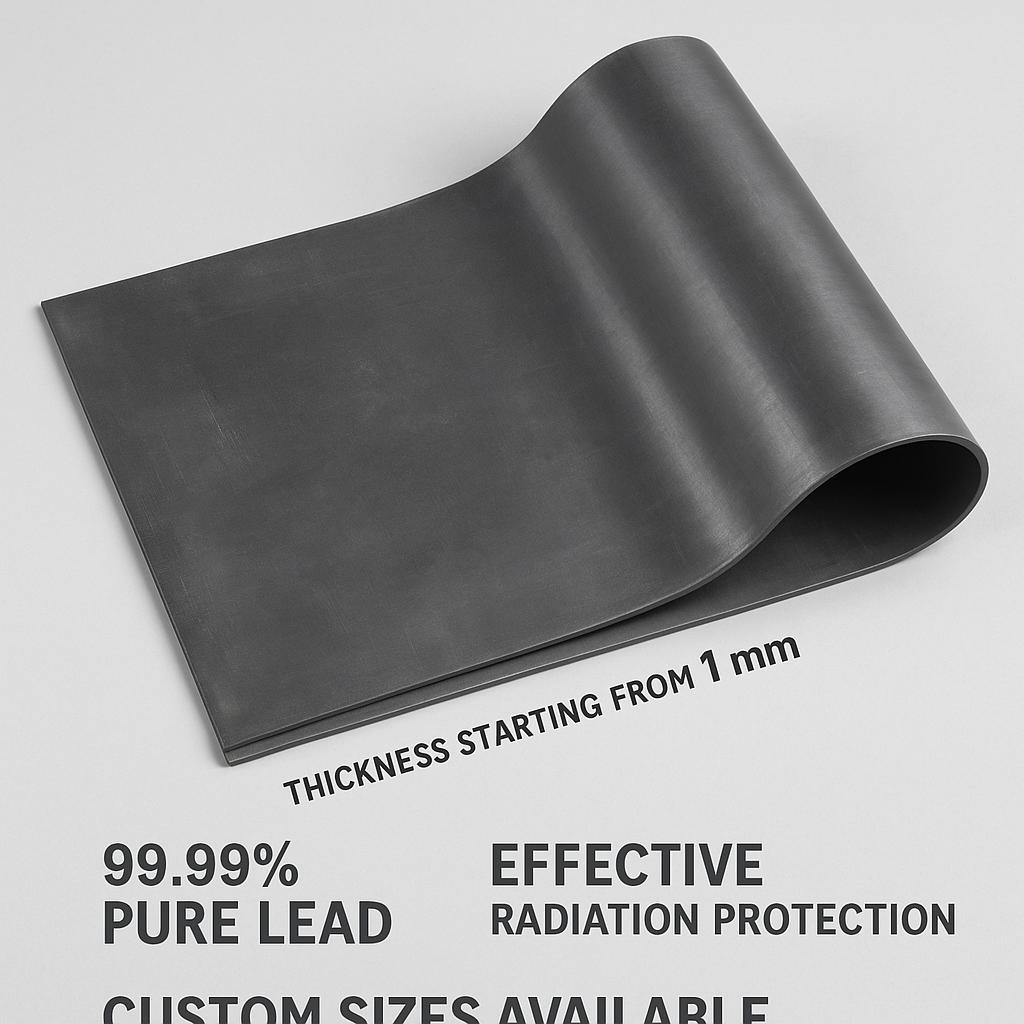
It represents the shielding capacity of a material compared to pure lead.
For example:
- 2 mmPb = shielding equivalent to 2mm thick pure lead
This is the standard unit used in:
- Hospital design
- Radiation protection calculations
- Equipment specifications
Factors Affecting Lead Thickness Calculation
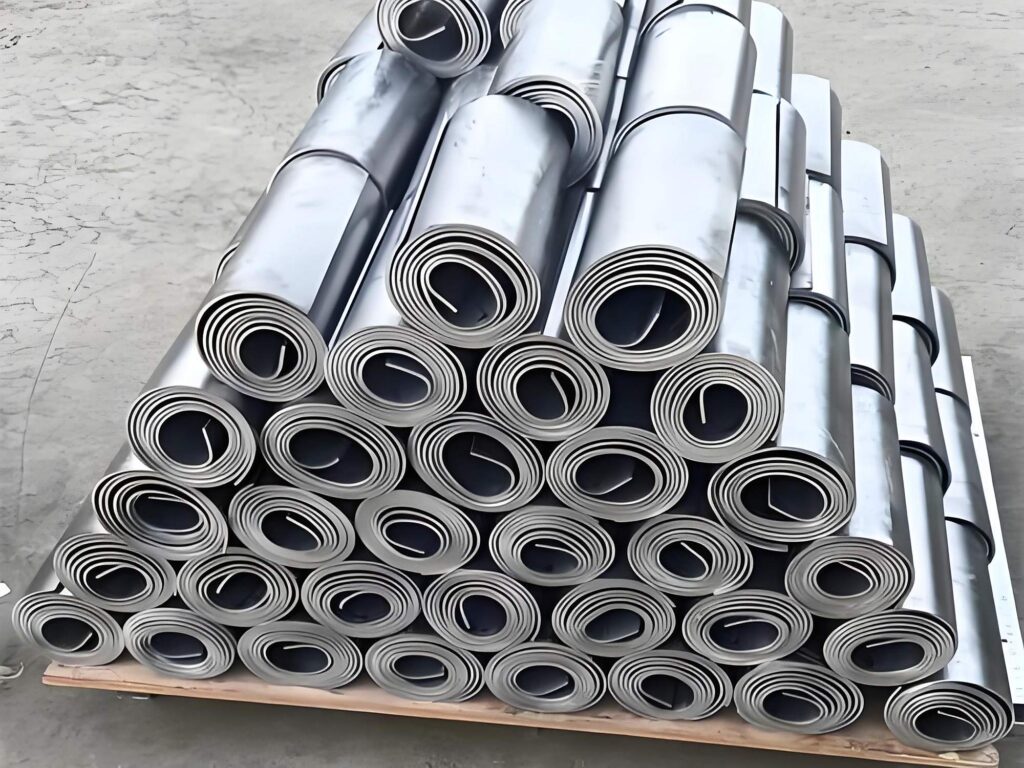
Lead thickness is not random — it depends on several key factors:
1. Radiation Energy (kV / MeV)
- Higher energy = thicker lead required
2. Distance from Radiation Source
- Greater distance = less shielding needed
3. Workload (Usage Frequency)
- More exposure = higher shielding requirement
4. Room Layout
- Door position relative to source
- Wall shielding design
5. Regulatory Standards
- Different countries have different requirements
👉 Always follow local radiation protection regulations.
Basic Lead Thickness Calculation Principle
While detailed calculations are usually done by radiation engineers, the basic concept is:
👉 Shielding is based on attenuation of radiation intensity
Simplified formula:
Where:
- I = transmitted radiation
- I0 = initial radiation
- μ = attenuation coefficient
- x = thickness of material
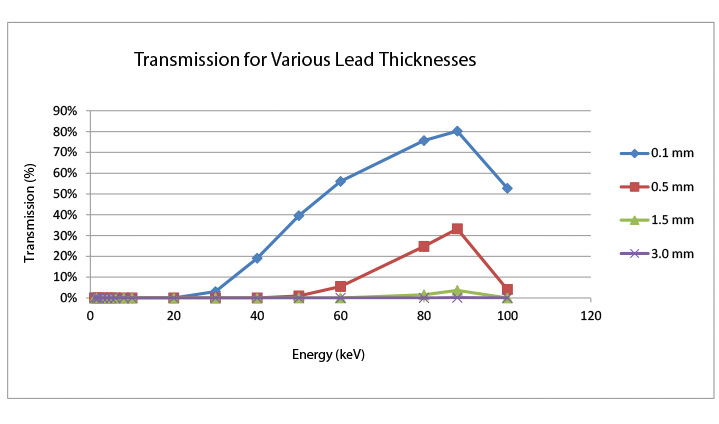
👉 As thickness (x) increases, radiation decreases exponentially.
Typical Lead Thickness Reference Table
In real projects, engineers often use standard reference values:
| Application | Typical Lead Thickness |
|---|---|
| Dental X-ray room | 1.0 mmPb |
| General radiography | 1.5–2.0 mmPb |
| CT scan room | 2.0–3.0 mmPb |
| Radiotherapy room | 3.0 mmPb+ |
👉 These values should always be verified with project-specific calculations.
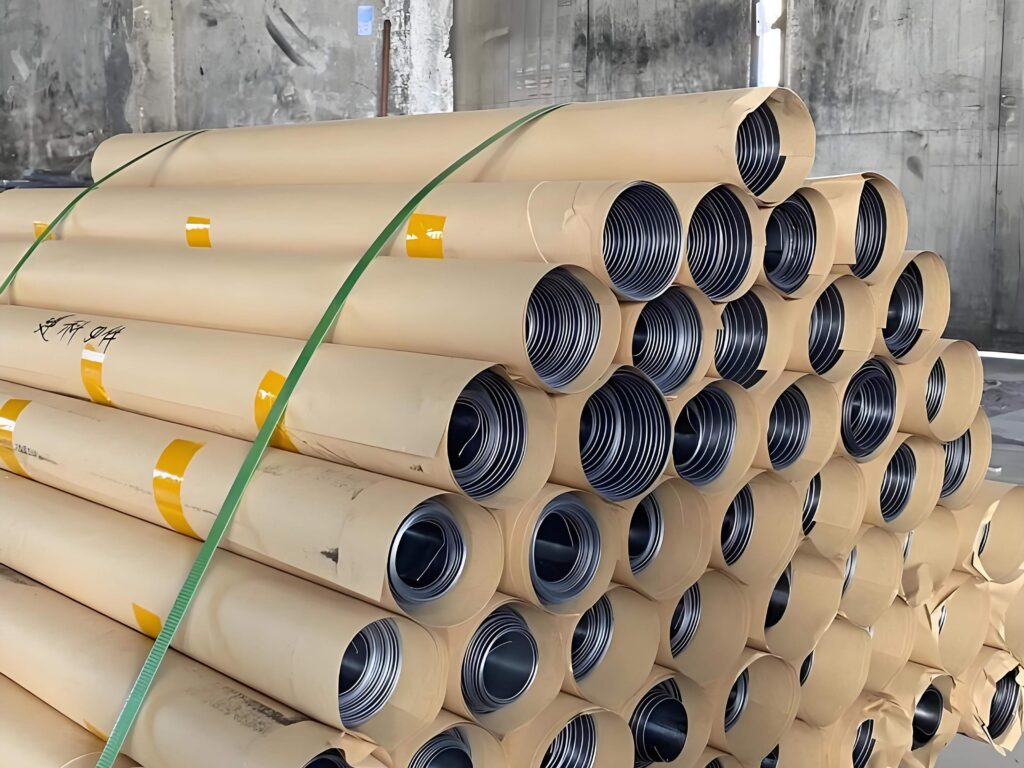
Example Calculation (Practical Scenario)
Project:
- X-ray room
- Equipment: 120 kV
- Moderate workload
Result:
- Recommended shielding: 2.0 mmPb
Door Requirement:
- Lead-lined door with ≥2.0 mmPb
- Matching lead glass (if window included)
👉 Important: Door shielding must match wall shielding.
Door vs Wall Shielding Consideration
A common mistake:
❌ Designing walls correctly but ignoring the door
👉 The door is often the weakest point.
Best practice:
- Same mmPb as walls
- Overlapping frame shielding
- Proper sealing
Common Mistakes in Lead Thickness Selection
❌ Using standard thickness without calculation
❌ Ignoring equipment power
❌ Not considering usage frequency
❌ Mismatch between door and wall shielding
❌ Poor installation causing leakage
👉 These errors can lead to compliance failure.
How to Choose the Right Radiation Door Based on Thickness
✅ Step 1: Identify equipment type
✅ Step 2: Confirm radiation energy (kV)
✅ Step 3: Check local regulations
✅ Step 4: Match wall shielding
✅ Step 5: Select certified manufacturer
Engineering Solution Approach
For professional projects, it is recommended to:
👉 Work with a supplier who provides:
- Shielding calculation support
- Technical drawings
- Custom lead thickness production
- Installation guidance
👉 This ensures full safety compliance.
Q1: What is the standard lead thickness for X-ray doors?
Typically 1.5–2.0 mmPb depending on equipment and usage.
Q2: Can I use the same thickness for all rooms?
No. Each room requires specific calculation based on radiation level.
Q3: What happens if lead thickness is insufficient?
Radiation leakage may occur, leading to safety risks and project failure.
Q4: Does door shielding need to match wall shielding?
Yes, otherwise radiation may leak through weaker areas.
Q5: Can lead thickness be customized?
Yes, professional manufacturers can produce doors with specific mmPb requirements.
H2:Conclusion
Lead thickness calculation is a critical part of any radiation protection project.
By understanding:
- Radiation energy
- Usage conditions
- Standard requirements
You can select the correct radiation shielding door and ensure both safety and compliance.
Working with an experienced supplier can simplify the process and guarantee project success.
Lead Thickness Calculation Concept


Lead-Lined Door Structure


