
Meta Description
Learn what lead equivalent (mmPb) means in radiation shielding. Understand how it is measured, calculated, and used in medical and industrial projects.
What Is Lead Equivalent (mmPb)?
Introduction
In radiation protection projects, you will often see the term:
👉 Lead Equivalent (mmPb)
Whether you are working on:
- X-ray rooms
- CT scan facilities
- Medical shielding doors
- Lead glass installations
Understanding mmPb is essential to ensure safety and compliance.
This guide explains what lead equivalent means, how it works, and how to apply it in real projects.
What Does Lead Equivalent (mmPb) Mean?
Lead Equivalent (mmPb) refers to:
👉 The thickness of pure lead that provides the same radiation shielding performance as a given material.
Example:
- 2 mmPb = same shielding as 2mm thick pure lead
It is the standard unit used to measure radiation protection capacity.
Why Is Lead Used as the Standard?
Lead is used as a reference material because it has:
- High density
- Strong radiation absorption ability
- Stable physical properties
👉 This makes it the global benchmark for radiation shielding.
How Lead Equivalent Works
Radiation shielding depends on how much radiation is reduced when passing through a material.
Basic idea:
- Thicker material → less radiation passes through
- Higher density → better shielding
Even if a material is not pure lead (e.g., lead glass or lead board), it can still be rated in:
👉 mmPb equivalent
Materials Measured in mmPb
Several materials use the mmPb standard:
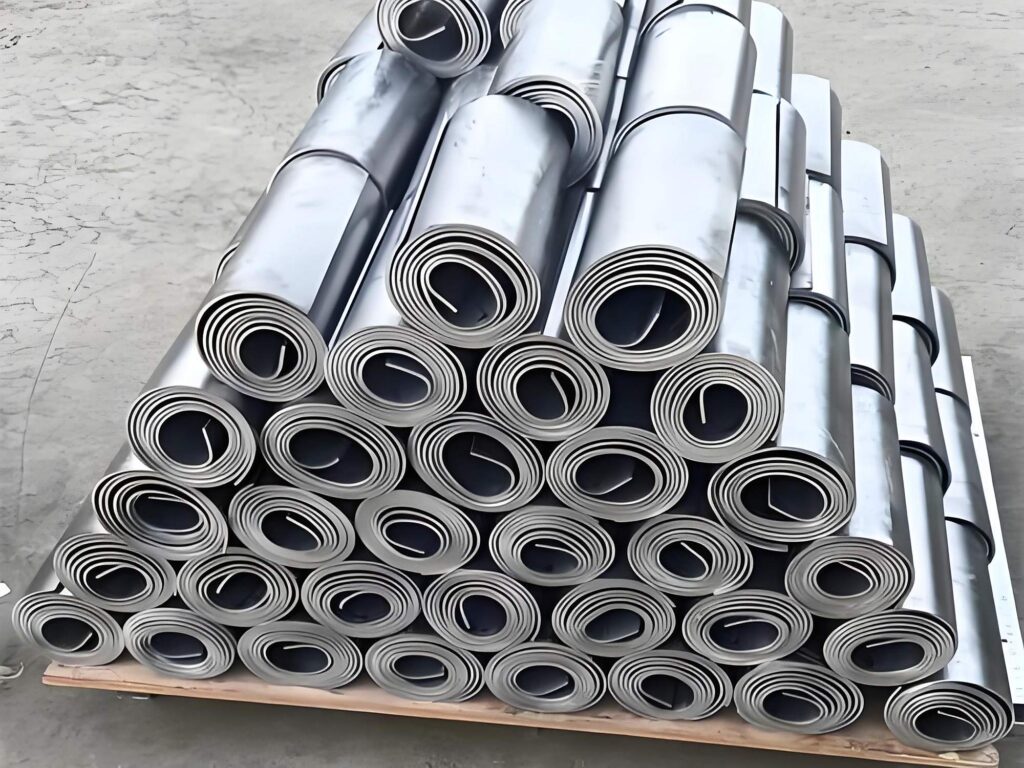
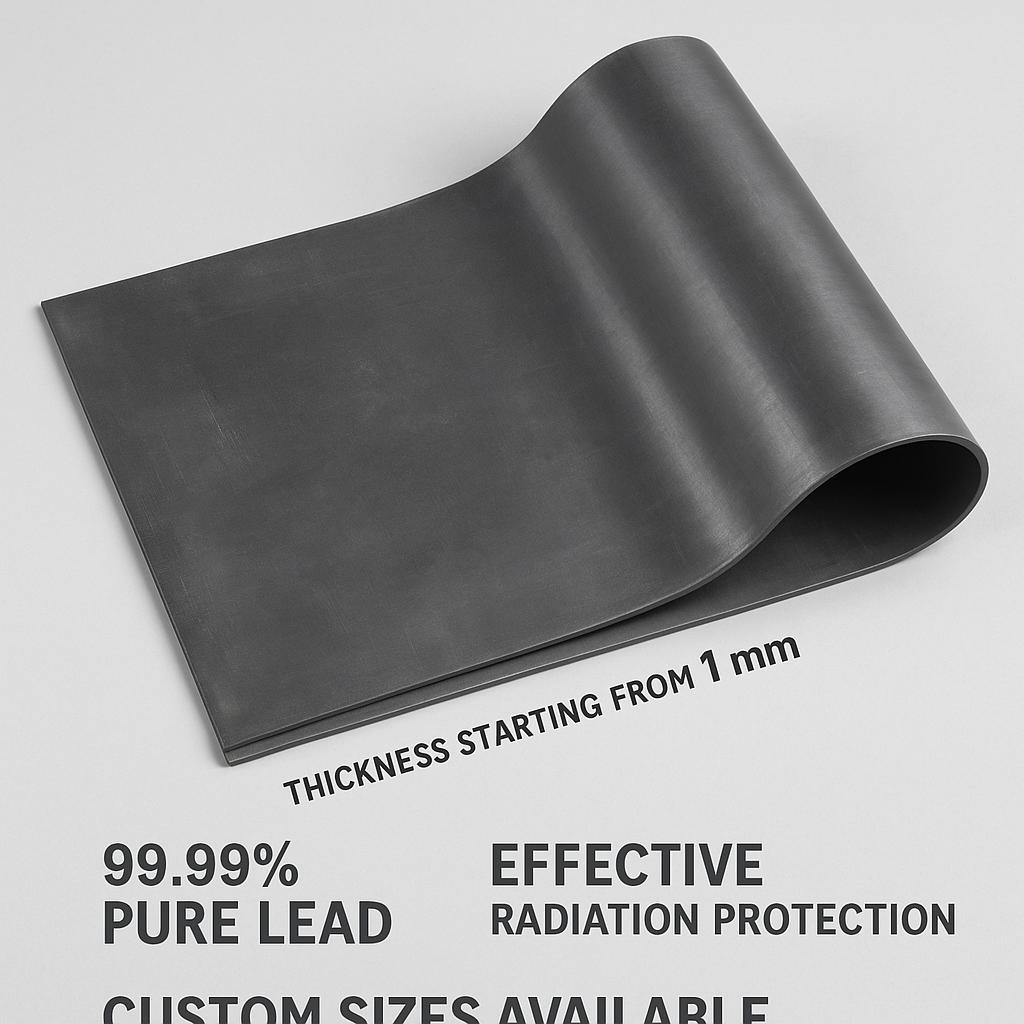
1. Lead Sheets
- Pure lead material
- Direct thickness measurement
2. Lead Glass
- Used in observation windows
- Rated in mmPb equivalent
3. Lead-Lined Doors
- Steel door with internal lead layer
- Rated by total shielding performance
4. Barium Sulfate Boards
- Alternative shielding material
- Also expressed in mmPb
H2:Common mmPb Values in Real Applications
| Application | Typical mmPb |
|---|---|
| Dental X-ray room | 1.0 mmPb |
| Radiology room | 1.5–2.0 mmPb |
| CT room | 2.0–3.0 mmPb |
| Radiation therapy | 3.0 mmPb+ |
👉 Always confirm with project-specific requirements.
mmPb vs Actual Lead Thickness
These two are often confused:
mmPb (Equivalent)
- Performance-based
- Can apply to different materials
Actual Lead Thickness
- Physical thickness of lead sheet
👉 Example:
- 10mm lead glass ≠ 10mm lead
- It may equal only 2mmPb
How Is Lead Equivalent Tested?
Lead equivalent is determined through:
- Radiation attenuation testing
- Standardized measurement methods
- Certification from testing labs
👉 This ensures accuracy and compliance with safety standards.
Why mmPb Is Important in Projects
Using correct mmPb ensures:
✅ Radiation safety
✅ Regulatory compliance
✅ Proper equipment operation
✅ Protection for staff and patients
👉 Incorrect values can lead to serious risks.
Common Mistakes to Avoid
❌ Confusing mmPb with actual thickness
❌ Using the same mmPb for all rooms
❌ Ignoring equipment radiation levels
❌ Mismatch between wall and door shielding
❌ Using uncertified materials
How to Choose the Right mmPb Level
Step-by-step:
- Identify equipment type (X-ray, CT, etc.)
- Check radiation energy (kV)
- Review local regulations
- Match wall, door, and window shielding
- Work with a professional supplier
👉 This ensures full system protection.
mmPb in Radiation Shielding Doors
For doors:
- The lead layer determines mmPb
- The frame must also be shielded
- Vision panels must match mmPb
👉 A weak point in the door can compromise the entire room.
FAQ
Q1: What does mmPb stand for?
Millimeters of lead equivalent — a unit measuring radiation shielding performance.
Q2: Is mmPb the same as lead thickness?
No. mmPb measures performance, not physical thickness.
Q3: What mmPb is required for X-ray rooms?
Usually 1.5–2.0 mmPb depending on equipment.
Q4: Can different materials have the same mmPb?
Yes, as long as they provide the same shielding performance.
Q5: Why is mmPb important for doors and windows?
Because they are potential weak points for radiation leakage.
Conclusion
Understanding lead equivalent (mmPb) is essential for any radiation protection project.
It allows engineers and buyers to:
- Compare materials
- Ensure compliance
- Design effective shielding systems
By selecting the correct mmPb level and working with experienced suppliers, you can ensure safety and long-term reliability.
Lead Thickness Calculation for Radiation Shielding Doors: Complete Guide
How to Choose the Right Hospital Door for Your Project (Complete Guide)
What Is a Radiation Shielding Door? Complete Guide for X-Ray & Medical Rooms


