
Meta Description
Discover the difference between air tight doors and normal doors. Learn how airtight sealing works and which door is best for hospitals and cleanrooms.
Air Tight Door vs Normal Door: What’s the Difference?
Introduction
In environments where air control is critical, such as hospitals and cleanrooms, not all doors perform the same.
A standard door may be sufficient for general use, but in controlled environments, an air tight door is essential.
Choosing the wrong type can lead to:
- Contamination risks
- Air leakage
- Failure to meet cleanroom standards
This guide explains the key differences and helps you choose the right solution.
What Is an Air Tight Door?
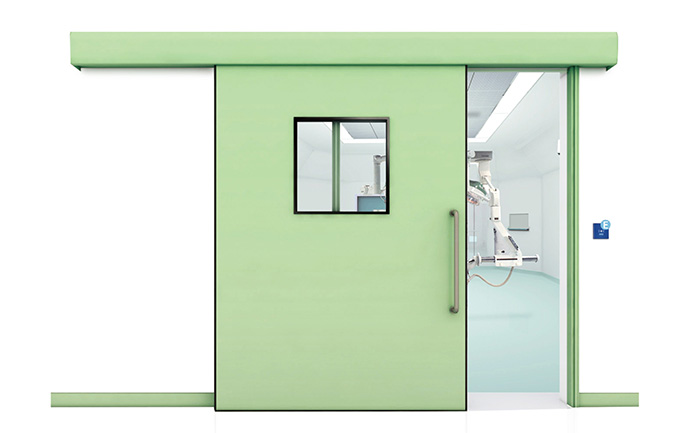
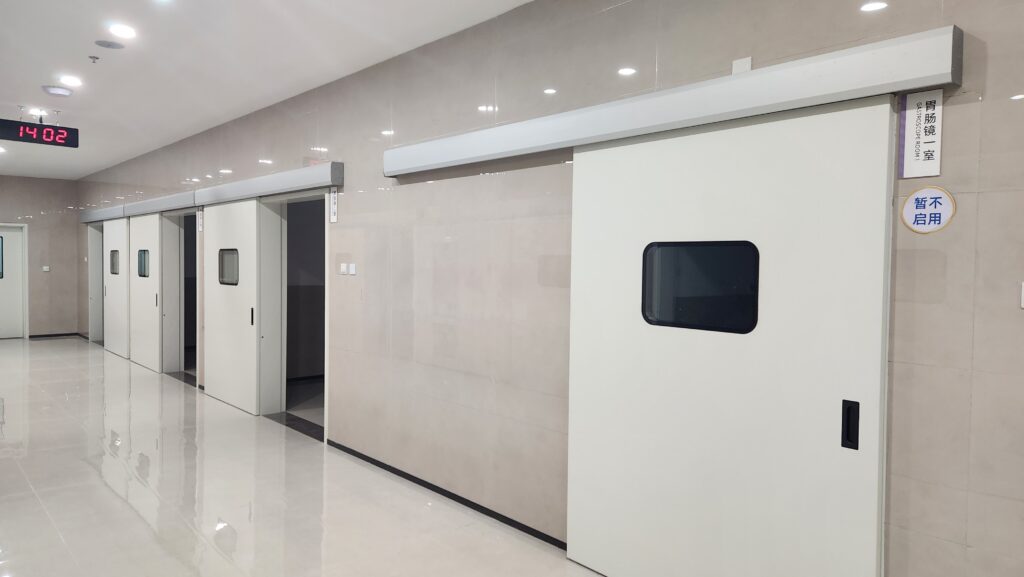
An air tight door (also known as a hermetic door) is designed to:
- Prevent air leakage
- Maintain pressure differences
- Control contamination
These doors are commonly used in:
- Operating rooms
- Cleanrooms
- Pharmaceutical facilities
- Laboratories
What Is a Normal Door?
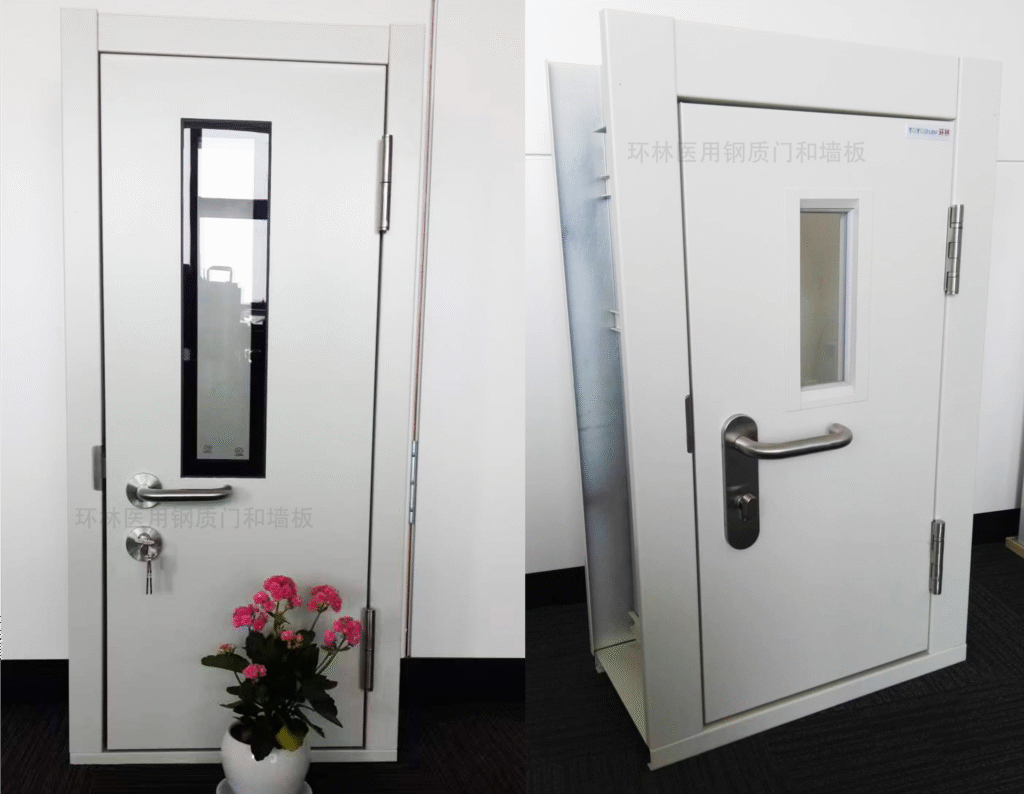
A normal door is designed for:
- Basic access
- General use
- Standard durability
It does not include any special sealing system to control airflow.
Key Differences Between Air Tight and Normal Doors
| Feature | Air Tight Door | Normal Door |
|---|---|---|
| Sealing | Fully sealed | No sealing |
| Air leakage | Minimal | High |
| Pressure control | Yes | No |
| Hygiene | High | Standard |
| Application | Cleanrooms, hospitals | General buildings |
👉 Air tight doors are engineered systems, not just doors.
How Air Tight Doors Work
Air tight doors use specialized components:
1. Rubber Sealing Gasket
- Creates a tight seal when closed
2. Automatic Compression System
- Door presses tightly against frame
3. Flat, Seamless Surface
- Prevents dust accumulation
4. Controlled Closing Mechanism
- Ensures consistent sealing
👉 These features eliminate air gaps.
Why Airtight Performance Matters
In controlled environments:
1. Infection Control (Hospitals)
- Prevents bacteria spread
2. Cleanroom Standards
- Maintains air purity levels
3. Pressure Control
- Keeps positive/negative pressure zones stable
👉 Without airtight doors, these systems fail.
Applications of Air Tight Doors
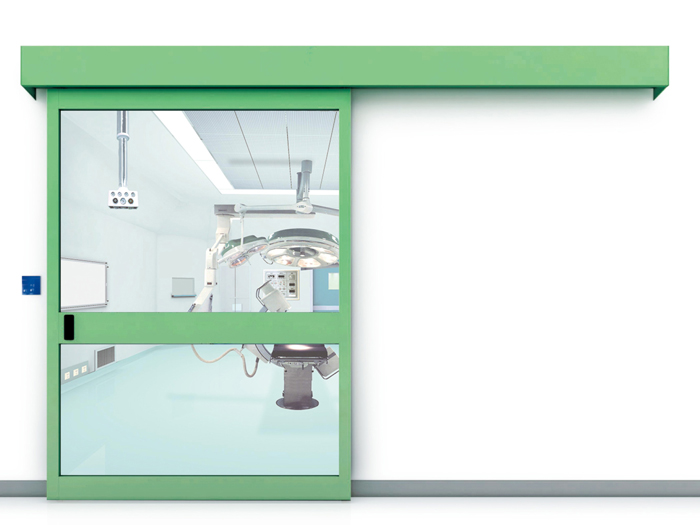
Hospitals
- Operating rooms
- Isolation rooms
Cleanrooms
- Semiconductor factories
- Pharmaceutical production
Laboratories
- Controlled testing environments
Types of Air Tight Doors
Sliding Airtight Doors
- Most common in hospitals
- Space-saving
Swing Airtight Doors
- Used in smaller rooms
Automatic Airtight Doors
- Hands-free operation
- High-end facilities
Material and Structure Comparison
Air Tight Door
- Reinforced steel structure
- High-quality sealing system
- Precision manufacturing
Normal Door
- Basic steel or wood
- No sealing components
👉 Airtight doors require higher engineering standards.
Cost Comparison
Normal Door
- Lower initial cost
- No special features
Air Tight Door
- Higher initial investment
- Lower risk and better performance
👉 For hospitals, airtight doors are essential, not optional.
Common Mistakes to Avoid
❌ Using normal doors in cleanrooms
❌ Ignoring sealing requirements
❌ Poor installation causing air leaks
❌ Choosing low-quality sealing systems
👉 These mistakes lead to system failure.
How to Choose the Right Airtight Door
✅ Step 1: Identify application (OR, lab, cleanroom)
✅ Step 2: Choose door type (sliding or swing)
✅ Step 3: Check sealing performance
✅ Step 4: Verify supplier capability
✅ Step 5: Ensure proper installation
FAQ
Q1: What is an airtight door used for?
To prevent air leakage and maintain controlled environments.
Q2: Are airtight doors required in operating rooms?
Yes, they are essential for maintaining sterile conditions.
Q3: Can a normal door be made airtight?
No, it requires a specialized sealing system and design.
Q4: What is the difference between airtight and hermetic doors?
They are generally the same, both refer to sealed doors.
Q5: How long do airtight doors last?
Typically 10–15 years depending on usage and quality.
Conclusion
While normal doors are suitable for general use, air tight doors are essential for controlled environments.
They provide:
- Air sealing
- Contamination control
- Pressure stability
Choosing the right door ensures your project meets strict medical and cleanroom standards.


