
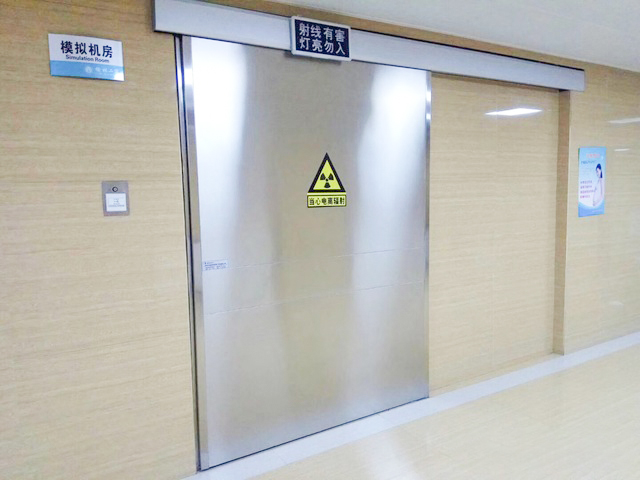
Meta Description
Learn everything about X-ray room doors, including lead shielding, door types, mmPb standards, and how to choose the right radiation protection door for medical projects.
Doors for X-Ray Rooms: What You Must Know
Introduction
X-ray rooms require specialized protection systems to ensure radiation safety for both patients and medical staff.
One of the most important components is the X-ray room door.
Unlike standard hospital doors, X-ray room doors are designed to:
- Block radiation leakage
- Maintain shielding continuity
- Meet strict medical safety standards
Choosing the wrong door can result in:
- Radiation exposure risks
- Failed inspections
- Expensive redesigns
This guide explains everything you need to know before selecting a door for an X-ray room.
What Is an X-Ray Room Door?
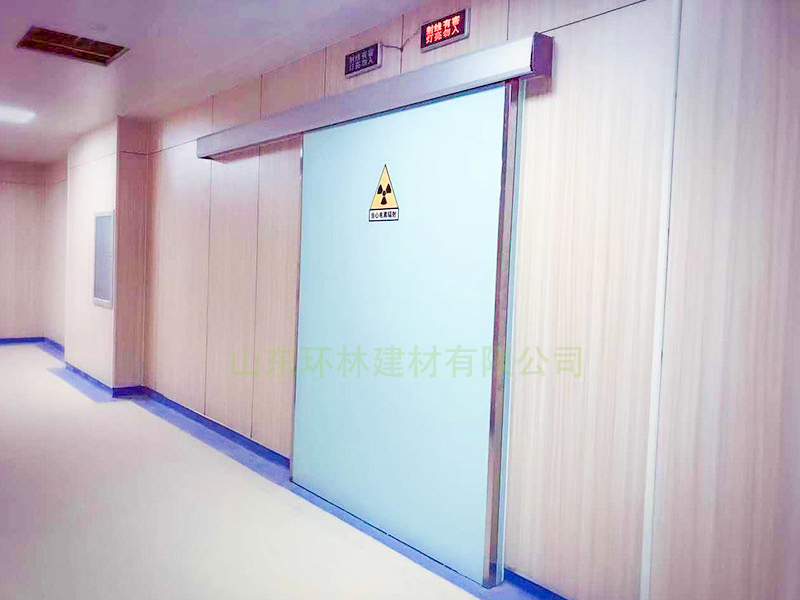
An X-ray room door is a specialized radiation shielding door designed to reduce radiation transmission.
It typically includes:
- Steel door structure
- Internal lead sheet
- Shielded frame system
- Optional lead glass window
👉 These doors are also called:
- Lead-lined doors
- Radiation protection doors
- X-ray shielding doors
Why X-Ray Rooms Need Special Doors
During imaging procedures, radiation is generated by medical equipment.
Without proper shielding:
- Radiation may leak outside the room
- Staff and patients may be exposed
👉 Standard doors provide no effective radiation protection.
X-ray room doors are designed to:
- Absorb radiation
- Prevent leakage
- Support compliance with safety regulations
How Radiation Shielding Doors Work
The door contains a lead layer inside the structure.
Why lead?
Because lead has:
- High density
- Excellent radiation absorption ability
When radiation reaches the door:
- The lead absorbs most of the energy
- Only a minimal amount passes through
👉 This protects surrounding areas from exposure.
Lead Thickness Standards (mmPb)
The most important specification is:
👉 Lead Equivalent (mmPb)
This indicates the shielding capability of the door.
Common standards:
| Room Type | Typical mmPb |
|---|---|
| Dental X-ray room | 1.0 mmPb |
| General radiography | 1.5–2.0 mmPb |
| CT room | 2.0–3.0 mmPb |
👉 Required thickness depends on:
- Equipment power
- Radiation level
- Local regulations
Types of Doors for X-Ray Rooms
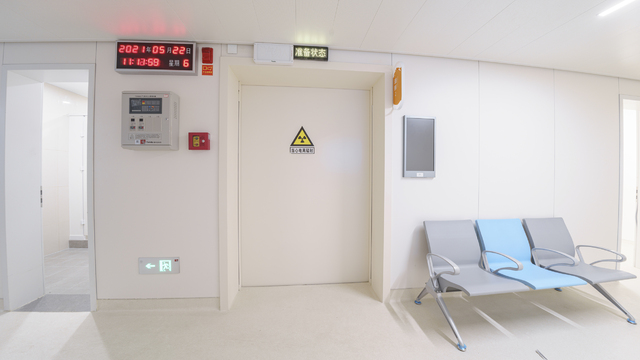
1. Swing Lead-Lined Doors
- Traditional solution
- Suitable for smaller rooms
2. Sliding Radiation Doors
- Space-saving
- Common in modern hospitals
3. Automatic X-Ray Doors
- Hands-free operation
- Better workflow efficiency
👉 Automatic sliding doors are increasingly popular in healthcare facilities.
Important Features to Consider
1. Lead Shielding Continuity
The frame and wall shielding must align with the door.
👉 Gaps can cause radiation leakage.
2. Door Structure
Recommended:
- Reinforced steel structure
- Heavy-duty hinges or track system
3. Observation Window
Optional lead glass windows allow visibility while maintaining shielding.
4. Surface Finish
Smooth, hygienic surfaces are preferred in hospitals.
5. Sealing Performance
Good frame sealing improves safety and durability.
X-Ray Door vs Normal Hospital Door
| Feature | X-Ray Room Door | Standard Hospital Door |
|---|---|---|
| Lead lining | Yes | No |
| Radiation protection | Yes | No |
| Shielded frame | Yes | No |
| Application | Imaging rooms | General areas |
👉 A normal door cannot be used in an X-ray room.
Common Mistakes in X-Ray Door Selection
❌ Choosing incorrect mmPb level
❌ Ignoring wall-to-door shielding continuity
❌ Using uncertified materials
❌ Poor installation alignment
❌ Choosing based only on price
👉 These mistakes can create serious safety risks.

How to Choose the Right X-Ray Room Door
✅ Step 1: Identify equipment type
✅ Step 2: Confirm required mmPb
✅ Step 3: Choose door type (swing/sliding)
✅ Step 4: Match wall shielding
✅ Step 5: Work with experienced supplier
👉 Professional technical support is extremely important.
Best Solution for Modern Medical Projects
For modern hospitals, recommended solutions include:
- Automatic sliding lead-lined doors
- Flush hygienic surfaces
- Lead glass observation windows
- Customized shielding thickness
👉 This combination improves both safety and workflow.
FAQ
Q1: What is the standard lead thickness for X-ray room doors?
Usually 1.5–2.0 mmPb depending on equipment and regulations.
Q2: Can normal steel doors block radiation?
No. Standard steel doors do not provide sufficient radiation protection.
Q3: Are sliding doors better for X-ray rooms?
Sliding doors are popular because they save space and improve workflow.
Q4: Does the door frame also need shielding?
Yes. The frame must match the door and wall shielding system.
Q5: Can X-ray room doors be customized?
Yes, including size, lead thickness, finish, and automation options.
Conclusion
X-ray room doors are essential safety components in medical imaging environments.
A properly designed radiation shielding door helps:
- Protect staff and patients
- Ensure regulatory compliance
- Improve hospital workflow
Choosing the correct lead thickness, structure, and supplier is critical for long-term project success.


